

Homeownership Matters.

Our consultation is always in sync with your strategy

Homeownership opens doors to stability, opportunity, and a stronger future. In South Carolina, it’s how families lay down roots, build security, and create lasting connections in the communities they call home.

illustration of neighbors talking

Strong Homes Create Strong Communities.

Owning a home is about more than four walls. It’s about investing in your future and contributing to the place where you live.

When South Carolinians have access to homeownership, neighborhoods become more resilient, local economies grow stronger, and families gain the security needed to thrive. From our coastal towns to rural communities and growing cities, homeownership helps keep South Carolina moving forward.

The Challenges South Carolinians Face

For many families, the path to homeownership feels increasingly uncertain. Rising costs, limited housing supply, and affordability challenges are making it harder—especially for first-time buyers and essential workers—to enter the market.

When ownership opportunities shrink, families lose a critical wealth-building tool, neighborhoods face higher turnover, and economic growth slows across the state.

Housing Prices Are Rising Faster Than Incomes

Housing has become increasingly unaffordable in South Carolina. Household income levels have increased 72% since 2010, while the median sales price has increased by 125%.

0%
Housing Income Levels Increased By
0%
Median Sales Price for a Home

BUILDING A BETTER PATH FORWARD

Housing is foundational. It shapes our communities today and defines our opportunities tomorrow.

South Carolina REALTORS® are committed to advancing solutions that expand access to housing by collaborating with policymakers, industry leaders, and community partners—so more South Carolinians can achieve the dream of homeownership.

Creating Long Term Opportunity

Earlier access to homeownership allows families to start building equity sooner, creating financial stability that lasts for generations.

Strengthening Connection & Bonding

Homeownership supports vibrant, inclusive communities. Expanding housing options near jobs and services helps reduce economic divides and allows families to stay rooted where they work and live.

Powering South Carolina’s Economy

Communities with strong homeownership rates support local businesses, attract investment, and create a solid foundation for sustained economic growth across the state.

View More Resources

First Time Homebuyer Tips

Decline of Housing Affordability in SC

The Challenges South Carolinians Face

For many families, the path to homeownership feels increasingly uncertain. Rising costs, limited housing supply, and affordability challenges are making it harder—especially for first-time buyers and essential workers—to enter the market.

When ownership opportunities shrink, families lose a critical wealth-building tool, neighborhoods face higher turnover, and economic growth slows across the state. Here are some signs of the decline of housing affordability in SC:
  • Housing Prices Are Rising Faster Than Incomes

  • A Decade of Underbuilding

  • Middle Income Families Are Getting Priced Out

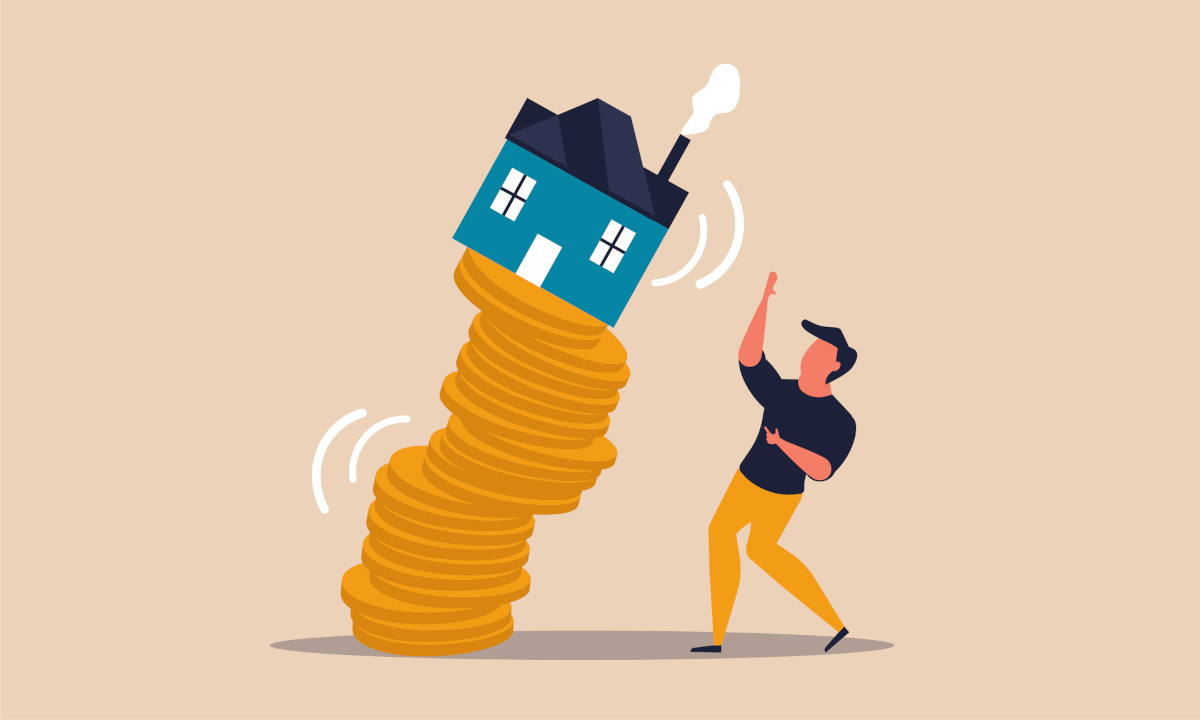
illustration with a person looking up at a stack of coins with a house on top

Since 2010, Housing Income Levels Increased By

72%

Since 2010, Median Sales Price for a Home Increased By

125%

Housing Prices Are Rising Faster Than Incomes

Housing has become increasingly unaffordable in South Carolina. Household income levels have increased 72% since 2010, while the median sales price has increased by 125%.

A Decade of Underbuilding

The number of new housing units being built decreased significantly in the aftermath of the Great Recession in 2008. This has led to a housing supply gap that has put further upward pressure on prices.

Middle Income Families Are Getting Priced Out

In recent years, affordability challenges have become more prevalent among middle-income households. Nearly half of South Carolina households earning between $35K and $75K are paying more than 30% of their monthly income for housing.

85%

Product Quality Index

92%

Energy Generation